
About Shannon
“Trauma is not what happens to us, but what we hold inside in the absence of an empathetic witness.” ― Peter A. Levine
Shannon Lamb, LCSW
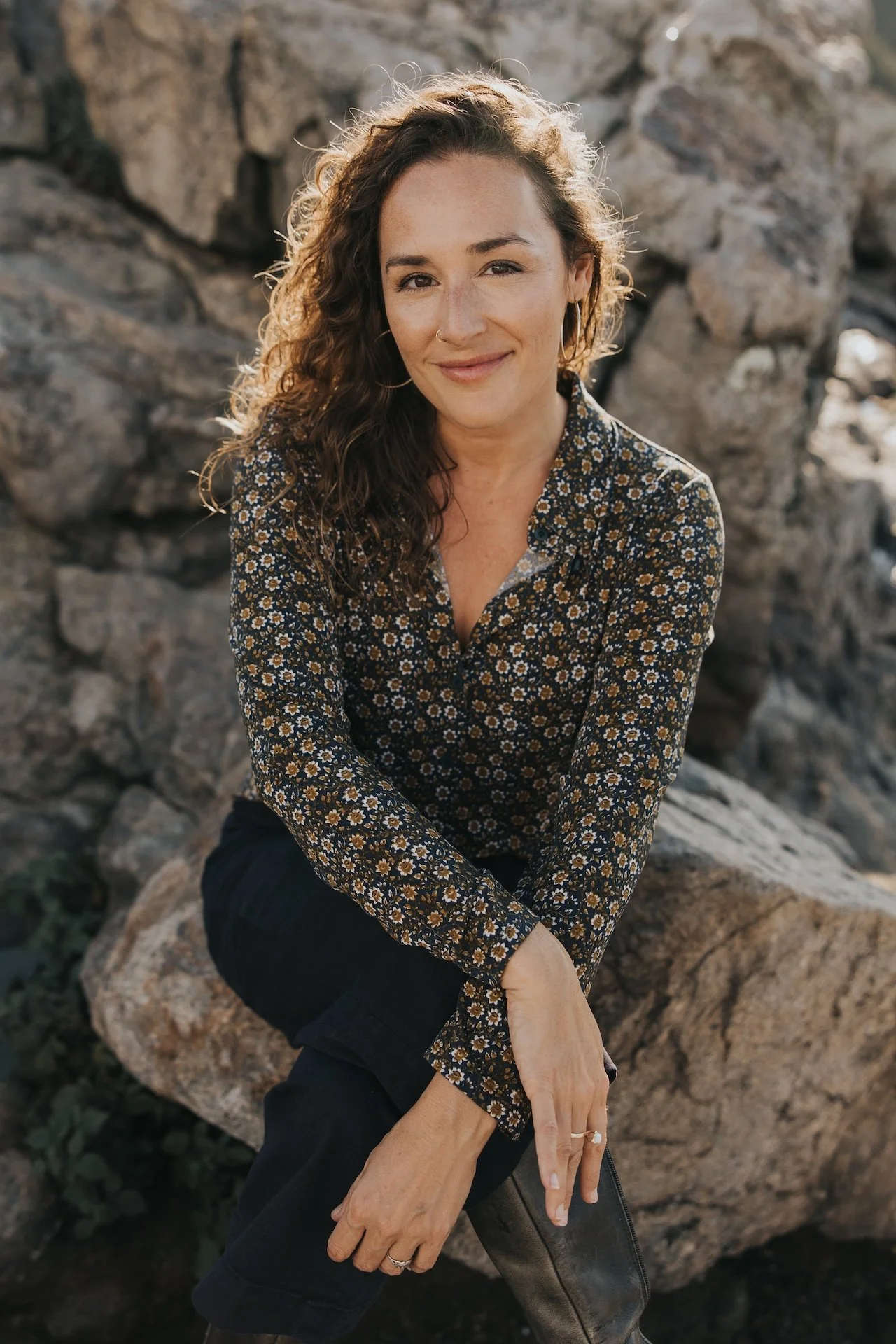
I am a Licensed Clinical Social Worker, a mother, a step-parent, a sister, a daughter, a friend, a partner, and an abuse survivor.
In 2008, I moved to Colorado, drawn to the mountains and the opportunity to build a life surrounded by nature. I earned my Master’s in Social Work from the University of Denver in 2010 and went on to become a Licensed Clinical Social Worker.
My curiosity about human behavior and relationship dynamics began early, and eventually led me to Florida State University in 2003, where I began interning with social psychologist Dr. Roy Baumeister. I earned my bachelor’s degree in Psychology in 2006 and went on to work as a behavioral therapist in special education classrooms in California and South Carolina.
After moving to Colorado, I continued working with individuals in a variety of settings. My work experience includes school counseling, working with low-income single parents, working alongside neurodivergent populations, understanding coercive control and power dynamics in relationships, co-creating a mindfulness education nonprofit and curriculum for educational and first responder programs throughout the Denver and Boulder areas.

A Different Relationship With Pain
My own experience with chronic physical pain profoundly influenced the way I understand suffering and healing. After failing to find relief from both Western and Eastern medicine practices, I was exposed to Mindfulness-Based Stress Reduction (MBSR) in 2008. It was at that point that I began to relate to my pain differently and feel a significant reduction in physiological pain in my body. By practicing mindfulness with regularity, I learned that pain and suffering are not the same thing.
That experience became an important part of my clinical work. I incorporate mindfulness and MBSR-informed practices to help clients develop a different relationship with difficult sensations, emotions, and experiences rather than feeling that they have to fight, avoid, or be controlled by them. During the darkest times of my life, my care team and village helped me find my light.
Working With Trauma, Abuse, and Coercive Control
My lived experience with intimate partner violence, narcissistic abuse, and coercive control have given me profound perspective on how psychological and relational abuse can affect a person’s sense of safety, identity, relationships, and physical well-being in day-to-day life. These impacts aren’t fleeting, and can stay with us for years, even decades if we don’t get the support we need.
I am particularly passionate about providing psychoeducation to people who may be trying to make sense of experiences that were confusing, minimizing, or difficult to name. Having language for what happened can be an important first step toward understanding that what you experienced was real and that your responses to it make sense.
For me, healing from abuse is about more than understanding what happened. It can also mean rebuilding trust within yourself, reconnecting with (or finding for the first time) your own voice, and gradually moving from a life rooted in survival and fear toward one that has room for safety and freedom.
When appropriate, I also help clients identify and connect with additional resources and professionals, including legal and medical providers who also have a deep understanding of abuse dynamics.
Beyond Thoughts and Behaviors
I believe meaningful healing often requires more than changing thoughts or behaviors alone. While cognitive and behavioral approaches can be incredibly valuable, I have found that many people need a way to reconnect with what is happening in their bodies.
This is why I incorporate somatic therapy and mindfulness into my work. These approaches can help clients gradually and safely become more aware of their body’s signals, understand what those signals may be communicating, and develop new ways of responding to them.
I don’t believe therapy should be about forcing change or pushing someone beyond what feels manageable. Instead, I work collaboratively and at a pace that supports safety, curiosity, and genuine connection with oneself.
Ultimately, my passion is helping people who have experienced significant suffering move beyond survival (i.e. fight, flee, freeze responses that show up in our everyday lives). I want my clients to have the opportunity to build lives that ultimately feel safe, meaningful, connected, authentic, and truly their own in spite of external or ongoing stressors.
Neurodivergence
I am very connected with the world of neuro-spiciness, both because I have ADHD and have many loved ones who fall within this category.
Life Outside the Office
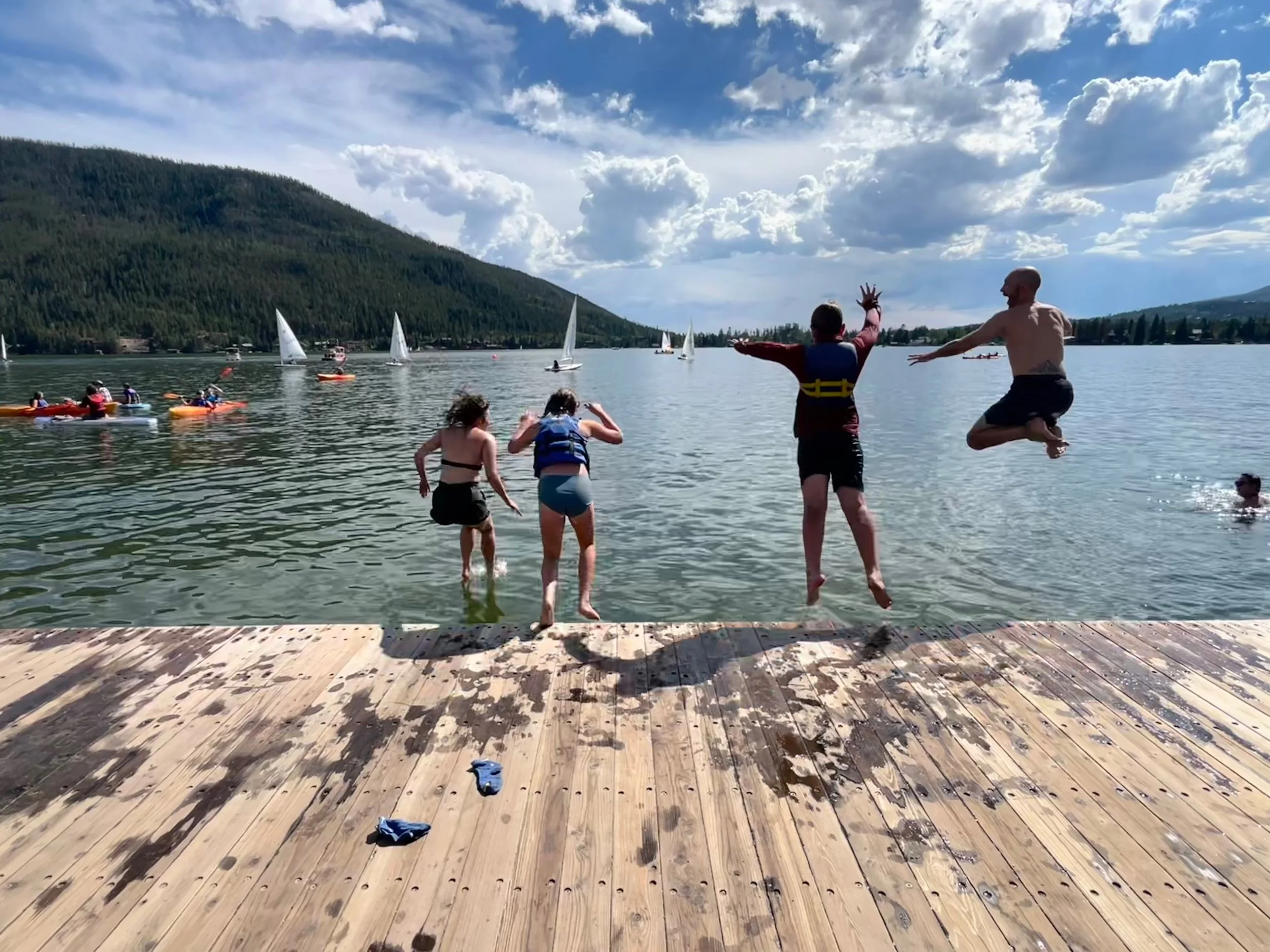
I live in Lafayette, Colorado, with my partner, stepson, daughter, two very hungry cats (don't believe their lies: they’re well fed), three fish, and two frogs.
When I’m not working, I enjoy being in nature, spending time with the people I love, adventuring, writing, and daydreaming.

Certificates, Licenses, Training and Continuing Ed:
Bachelor’s in Psychology - 2006
Behavioral Therapy trainings 2006-2008
Mindfulness-Based Stress Reduction (MBSR) continuing education - 2009 to 2013
Master’s in Social Work from the University of Denver - 2010
MindUp training certificate - 2013
.b Mindfulness training certificate - 2013
Mindful Schools training certificate - 2014
Therapeutic Coach training - 2014
License in Clinical Social Work (3,360+ hours of post-degree work experience) - 2014
Attachment-Based Therapy continuing education - 2014 to 2015
Coercive Control, Post-Separation Abuse and Narcissistic Abuse continuing education - 2017 to present/ongoing
Treating Complex Trauma with IFS Training & Certificate - 2019
IFS & Polyvagal Training & Certificate - 2023
Somatic Experiencing (SE) training; completed through Intermediate Module 6 - 2023 to current/ongoing